3D Tiger Mystical Tumbler: Integrating High-Resolution Sublimation Assets into Production Workflows
In the competitive landscape of custom merchandise and print-on-demand services, the distinction between a generic product and a premium offering often lies in asset quality and workflow efficiency. The 3D Tiger Mystical Tumbler design serves as more than just a decorative graphic; it functions as a specialized production asset for creators utilizing dye-sublimation technology. For professionals, small business owners, and hobbyists managing a tumbler printing operation, understanding how to integrate this specific digital resource is essential for maintaining consistency, reducing material waste, and delivering high-fidelity results. This asset bridges the gap between digital design concepts and tangible manufacturing, requiring a disciplined approach to file management, software compatibility, and press settings.
Defining the Asset Within the Creative Ecosystem
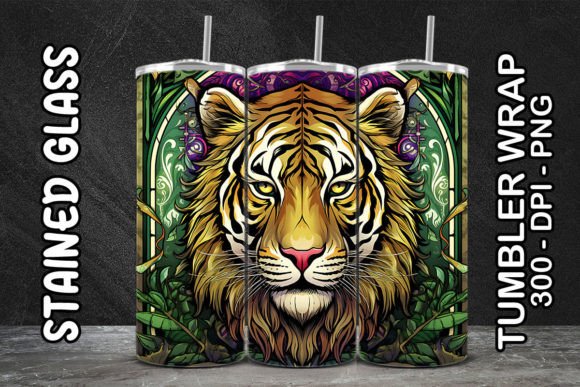
The 3D Tiger Mystical Tumbler PNG file is engineered specifically for the technical constraints of sublimation printing. Unlike standard web graphics or vector logos intended for screen display, this asset is optimized for physical transfer onto curved surfaces. In a broader creative workflow, this file acts as the foundational layer upon which customization occurs. It is not merely an end product but a starting point for personalized merchandise lines, limited edition releases, or client-specific commissions.
For entrepreneurs and marketers, this asset fits into the product development phase where visual impact determines market viability. The "mystical" aesthetic combined with 3D rendering techniques provides a depth that flat graphics cannot achieve, allowing for higher perceived value in retail listings. However, realizing this value requires treating the file as a technical component rather than simple clip art. Successful integration means acknowledging that the digital file’s integrity directly correlates to the physical output’s quality. When planning inventory or marketing campaigns, the availability of such high-specification assets allows for faster turnaround times from concept to prototype, streamlining the decision-making process regarding which designs to push to full production.
Technical Specifications and Pre-Press Preparation
Efficiency in sublimation printing begins long before the heat press is activated. It starts with rigorous file verification and preparation. The 3D Tiger Mystical Tumbler download includes a ZIP archive containing multiple PNG files sized at 9.06 inches by 8.11 inches at 300 DPI. These specifications are non-negotiable parameters in a professional workflow. Understanding why these numbers matter prevents costly errors during the printing phase.
Resolution and Print Clarity: The 300 DPI (dots per inch) standard ensures that the intricate details of the tiger’s fur and the mystical background elements remain crisp after thermal transfer. Printing at lower resolutions results in pixelation or blurring, which degrades the 3D illusion. Before importing the file into RIP (Raster Image Processor) software or design suites like Photoshop or Illustrator, users must verify the image resolution properties. Never upscale this file; if your tumbler size requires dimensions larger than 9.06 x 8.11 inches, the asset may not be suitable without advanced AI upscaling techniques, which can introduce artifacts.
Dimensional Accuracy: The 9.06 x 8.11 inch sizing corresponds to standard 20oz skinny straight tumbler wraps. In a production environment, assuming all tumblers are identical is a common failure point. Manufacturers vary slightly in circumference and height. A practical workflow step involves measuring the actual blank substrate before printing. If the vessel differs from the standard, the PNG file must be adjusted proportionally in your editing software. Maintaining the aspect ratio is critical to prevent the 3D perspective from distorting, which would ruin the immersive effect of the tiger design.
Color Management: Digital screens emit light using RGB color space, while sublimation ink reflects light using CMYK. The vibrant colors seen on a monitor will shift when printed. Professional workflows incorporate ICC profiles specific to the printer, ink, and paper combination being used. While the 3D Tiger Mystical Tumbler file is designed for optimal color translation, operators should perform test prints on scrap paper to calibrate saturation and contrast. This pre-press validation step saves expensive tumbler blanks and ensures the final product matches the digital proof.
Workflow Integration: From Digital File to Physical Product
Integrating this asset into a daily routine requires organized digital housekeeping and precise execution. Because this is an instant digital download, the responsibility of file security and organization falls entirely on the user. Upon purchase, the immediate action should be extracting the ZIP file to a dedicated project folder backed up to cloud storage or an external drive. Relying on the original ZIP file in a downloads folder is a precarious practice that risks data loss and workflow interruption.
Software Compatibility and Layering: The PNG format supports transparency, which is vital for composite workflows. Creators often use the 3D Tiger Mystical Tumbler as a base layer, adding monograms, names, or brand logos on top. When working in layers, ensure the tiger graphic remains locked to prevent accidental movement during the customization process. For those using cutting machines alongside sublimation, the high-contrast edges of the 3D design can sometimes serve as registration marks for alignment, though this depends heavily on the specific software ecosystem being utilized.
Printing and Pressing Execution: Once the file is customized and mirrored horizontally—a mandatory step for sublimation—the physical workflow begins. The 3D nature of this design makes alignment more sensitive than flat patterns. Misalignment by even a few millimeters can break the visual continuity of the wrap. Using heat-resistant tape to secure the print tightly against the tumbler is standard procedure, but for 3D wraps, many professionals prefer shrink wrap sleeves or silicone bands to apply uniform pressure. Uneven pressure causes ghosting or blurry spots, destroying the depth effect. Adhering to recommended time, temperature, and pressure settings for the specific tumbler coating is essential. The mystical aesthetic relies on smooth gradients; overheating can cause yellowing, while underheating leads to faded transfers.
Quality Control and Business Application
For sellers and educators teaching sublimation, the 3D Tiger Mystical Tumbler serves as an excellent benchmark for quality control. Because the design contains complex shading and fine details, it reveals equipment issues that simpler graphics might hide. Banding in the gradient areas may indicate clogged printheads, while color shifts may suggest expired ink or incorrect heat press calibration. Incorporating this asset into regular maintenance checks helps maintain overall shop standards.
From a business perspective, utilizing high-quality, pre-sized assets like this reduces design overhead. Instead of spending hours rendering 3D animals or sourcing stock photography that requires extensive manipulation, creators can allocate time to marketing, customer service, and product photography. The instant availability of the file supports agile business models where trending designs can be listed and produced rapidly. However, users must remember that this is a digital-only purchase. Managing customer expectations is part of the workflow; clearly communicating that no physical item is shipped prevents support tickets and returns.
Furthermore, licensing and usage rights should be reviewed immediately upon download. Understanding whether the asset is permitted for commercial end-products versus personal use dictates how it can be integrated into revenue streams. Professionals must maintain records of purchase receipts and license terms to protect their business against intellectual property disputes. Organizing these legal documents alongside the digital assets creates a compliant and sustainable operational foundation.
Optimizing Long-Term Usability and Storage
Sustainable creative workflows rely on retrievability. As a library of tumbler wraps grows, finding the 3D Tiger Mystical Tumbler file months later should take seconds, not minutes. Implementing a consistent naming convention is crucial. Renaming the generic downloaded file to something descriptive like "Tiger_Mystical_3D_Wrap_9x8_300DPI.png" aids in searchability across operating systems and asset management platforms.
Additionally, consider creating template files within your design software. By setting up a master document with the correct canvas size, guides, and safe zones pre-loaded with the tiger asset, future customization projects become significantly faster. This templating approach transforms a static PNG into a dynamic production tool. It standardizes output quality across different team members or freelancers who might assist with order fulfillment.
Finally, always retain the original, unedited PNG file. Edits, text additions, and color adjustments should be saved as separate copies or layered project files. Preserving the pristine source asset ensures that you can return to the baseline for new variations or corrections without accumulating generational quality loss. This discipline in digital asset management distinguishes professional operations from amateur efforts, ensuring that the 3D Tiger Mystical Tumbler remains a reliable, high-yield component of your sublimation business for years to come.