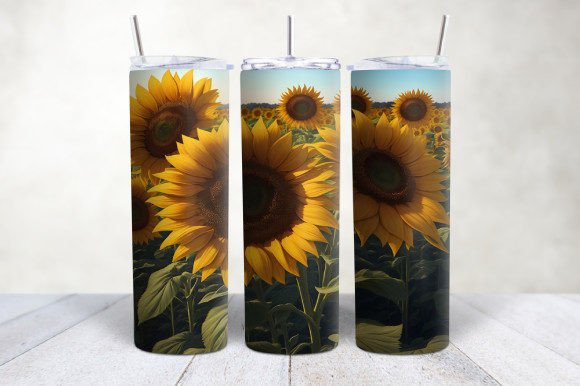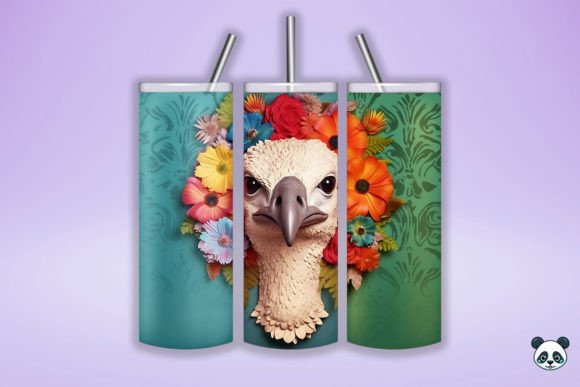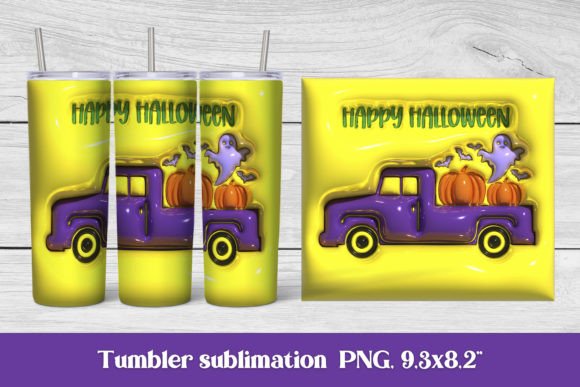
Evaluating 3D Puff Halloween Sublimation Tumbler Designs for Seasonal Projects
The seasonal crafting market has evolved significantly with the introduction of textured digital assets, specifically the 3D puff Halloween sublimation tumbler design. Unlike traditional flat sublimation transfers, these digital files utilize shading, highlighting, and shadow manipulation to create an optical illusion of depth and inflation on a smooth surface. For crafters aged 20 to 50 who are comparing production methods for autumn merchandise or personal gifts, understanding the technical distinctions between 3D inflated illustrations and standard vector art is essential for making informed purchasing and production decisions.
When evaluating a 3d puff Halloween sublimation tumbler wrap 20 Oz, it is important to recognize that the "puff" effect is entirely visual rather than tactile. The surface of the finished tumbler remains smooth to the touch, but the high-resolution PNG design tricks the eye into perceiving bubbles, balloons, or puffy ghosts as three-dimensional objects. This distinction separates this category from embossed vinyl, epoxy texture pastes, or actual raised ink printing. For creators deciding between these mediums, the 3D sublimation approach offers speed and consistency without the curing times or material costs associated with physical texturing agents.
Technical Specifications and Software Compatibility
A critical decision factor when acquiring a 3d Halloween inflated tumbler png design is software compatibility. These assets are distinct from cutting files used in vinyl crafting. They are raster-based images requiring specific editing capabilities to resize, position, and print effectively. Potential users must verify they possess adequate printing software before purchasing, as these files cannot be opened or manipulated in basic image viewers or standard cutting machine software alone.
Compatible platforms for managing 3d puff Halloween sublimation PNG files include:
- Adobe Photoshop: The industry standard for handling high-DPI raster graphics with precise color management.
- Affinity Designer: A cost-effective alternative offering robust pixel and vector workspace integration.
- Adobe Photoshop Elements: Suitable for hobbyists needing layer support without full professional suite complexity.
- CorelDRAW: Widely used in the apparel and promotional products industry for layout and print preparation.
- Silhouette Design Studio: Specifically the free version for PC, which supports PNG placement for print-then-cut workflows.
- Inkscape: A free, open-source option for PC users comfortable with importing raster images into a vector workspace.
- GIMP: A free raster graphics editor capable of handling 300 DPI transparency layers.
If your current workflow relies exclusively on Cricut Design Space without print capabilities, or if you lack raster editing software entirely, this format may not be the right fit. In such cases, pre-printed transfers or SVG cut files would be more appropriate alternatives. However, for those with the correct software stack, the 3d inflated Halloween illustration PNG offers superior customization potential compared to static pre-prints.
Comparing Digital 3D Effects vs. Physical Textures
When planning a 3d Puff Halloween Sublimation Tumbler project, creators often weigh digital simulation against physical application methods. Each approach serves different end goals and production constraints.
Production Efficiency and Consistency
Digital 3d puff Halloween sublimation tumbler designs excel in batch production. Because the texture is printed directly onto the transfer paper, every tumbler in a set of twenty will look identical. There is no variation in bubble size, paint thickness, or alignment. Conversely, hand-applied epoxy or puff paint introduces human error and requires significant drying time between coats. For sellers fulfilling orders for school events, corporate parties, or group gifts where uniformity is paramount, the digital 3D inflated aesthetic provides a reliable, scalable solution that physical textures cannot match efficiently.
Tactile Experience vs. Visual Impact
The primary tradeoff is sensory. A customer expecting a raised surface based on the term "puff" may be disappointed by the smooth finish of a sublimated tumbler. If the end recipient values tactile feedback over visual novelty, alternative methods like UV DTF or screen printing with puff ink are superior choices. However, for applications where durability and dishwasher safety are priorities, sublimation wins. Physical textures can degrade, peel, or trap bacteria over time, whereas the 3d puff Halloween sublimation tumbler wrap 20 Oz fuses permanently into the polymer coating, maintaining its visual integrity through repeated washing cycles.
Cost Analysis
From a resource allocation perspective, digital designs represent a lower barrier to entry. Once the initial file is acquired, the marginal cost per unit is limited to ink, paper, and the blank tumbler. Physical texturing requires additional consumables—molds, specialty inks, or resins—that increase both cost and storage requirements. For casual crafters creating tumblers for friends and family, or small businesses testing seasonal product lines, the digital route minimizes financial risk while maximizing creative flexibility.
File Format Considerations and Print Preparation
Understanding the deliverable specifications prevents frustration during the production phase. The 3d Halloween inflated tumbler png design typically arrives as a single file measuring 9.3 x 8.2 inches at 300 DPI. This resolution is critical; sublimation demands high pixel density to render the subtle gradients that create the illusion of depth. Printing at lower resolutions will result in banding or pixelation that destroys the 3D effect.
Users should note several practical limitations regarding these digital assets:
- No Cutting Files Included: These are strictly for printing. Do not attempt to use them as cut paths.
- Color Variability: Resolution and color output vary significantly from screen to monitor and printer to printer. RGB screens display colors differently than CMYK or sublimation ink profiles. Test prints on actual sublimation paper are mandatory before committing to final production.
- Mockups Excluded: Product photos are for visual demonstration only. You receive the raw design file, not the styled lifestyle images shown in listings.
- Digital Delivery: No physical items are shipped. Immediate access allows for rapid prototyping but requires self-sufficiency in file management and printing.
For creators accustomed to receiving pre-sized wraps, the 9.3 x 8.2 dimension may require adjustment depending on the specific 20 Oz tumbler model being used. Tapered vs. straight tumblers have different circumference requirements. Proficiency in your chosen software is necessary to scale or tile the 3d puff Halloween sublimation PNG appropriately without distorting the aspect ratio of the inflated elements. Distortion breaks the optical illusion, making the design appear flat or stretched.
Best Fit Scenarios and Decision Framework
Determining whether a 3d Puff Halloween Sublimation Tumbler design aligns with your needs requires honest assessment of your capabilities and objectives. This format is optimally suited for:
- Experienced Sublimators: Individuals who already own heat presses, sublimation printers, and understand color profiling.
- Batch Creators: Those producing matching sets for groups where consistency outweighs tactile variety.
- Digital-First Designers: Crafters who prefer manipulating pixels over mixing compounds or operating cutting plotters.
- Budget-Conscious Experimenters: Makers wanting to test the "inflated" trend without investing in specialized molds or puff additives.
Conversely, this product category may be unsuitable for:
- Vinyl-Only Crafters: Without sublimation equipment and raster software, these files are unusable.
- Tactile-Focused Markets: If selling at craft fairs where customers physically handle products before buying, the smooth finish may underdeliver against visual expectations.
- Beginners Without Mentorship: Color correction and sizing for 3D effects require intermediate skills. Novices may struggle with the learning curve alongside standard sublimation troubleshooting.
Practical Application Tips for Optimal Results
To maximize the effectiveness of a 3d inflated Halloween illustration PNG, consider the substrate choice carefully. White or light-colored polymer-coated tumblers provide the necessary contrast for shadow details to register correctly. Dark substrates absorb shadows, flattening the perceived depth. Additionally, matte-finish tumblers sometimes enhance the 3D illusion better than glossy ones, as specular highlights on glossy surfaces can compete with the printed highlights that define the inflated shapes.
When positioning the 3d puff Halloween sublimation tumbler wrap 20 Oz, pay attention to seam placement. Inflated designs that cross the vertical seam line can appear broken or misaligned after pressing. Centering key 3D elements away from the seam preserves the continuity of the illusion. Furthermore, because these designs rely on gradient transitions, ensure even heat distribution during pressing. Cold spots cause incomplete ink transfer, resulting in muddy shadows that undermine the dimensional effect.
Ultimately, the decision to utilize 3d puff Halloween sublimation tumbler designs hinges on balancing aesthetic goals with technical capacity. These digital assets offer a compelling middle ground between flat printing and labor-intensive texturing, provided the user possesses the requisite software and printing infrastructure. By understanding the distinctions between digital simulation and physical texture, acknowledging software requirements, and respecting file specifications, crafters can make informed choices that lead to successful seasonal creations. Whether producing gifts for friends or evaluating new product lines for a small business, approaching these designs with realistic expectations ensures satisfaction with both the process and the final outcome. Happy designing.